

For years, financial planning conversations focused heavily on saving, investing, debt reduction, insurance, and retirement. Those things still matter. But more people are also asking a different question:
“What is the point of building wealth if we are not using some of it to live well?”
That question sits at the heart of the experience economy. The experience economy is the shift from spending mainly on physical goods toward spending on experiences, memories, travel, events, learning, wellness, dining, family time, and meaningful moments. Instead of asking, “What can I buy?” people are asking, “What do I want to experience?” From a financial planning perspective, that is not a bad question. In fact, it can be a very important one. The key is to spend intentionally, not impulsively.
1. What Is the Experience Economy?
The experience economy refers to the growing value people place on experiences over material
possessions. This can include:
Travel
Concerts
Sporting events
Family vacations
Dining experiences
Wellness retreats
Courses and personal development
Adventure activities
Celebrations
Time with children or grandchildren
Bucket-list moments
A material purchase gives you something to own. An experience gives you something to remember. Neither is automatically better. A reliable car, a comfortable home, good furniture, or quality tools can all improve life. But many people are realizing that some of their most meaningful spending is not tied to things. It is tied to memories. That is where the planning opportunity begins.
2. Experiences Can Create Emotional Value
Many physical purchases lose excitement over time. The new phone becomes normal. The upgraded car becomes your regular car. The furniture becomes part of the room. Experiences can work differently.
A family trip, milestone dinner, graduation celebration, or once-in-a-lifetime event can continue creating value through memories, photos, stories, and relationships. The experience may only last a few hours or days, but the emotional return can last much longer.
This is why some people feel more satisfied spending money on:
Time with family
Travel with a spouse
A special birthday trip
A child’s sports tournament
A shared learning experience
A meaningful celebration
The financial question is not only, “What did it cost?” It is also, “What did it add to your life?”
3. Spending on Experiences Still Needs a Plan
The experience economy can be positive, but it also creates a risk. Because experiences feel meaningful, people can justify overspending. A vacation can become “worth it” even if it creates credit card debt. A wedding can become “once in a lifetime” even if it drains savings. A family trip can feel necessary even if it delays more important financial goals.
This is where values-based financial planning matters. The goal is not to avoid spending. The goal is to make sure spending fits the bigger picture. Before saying yes to a major experience, ask:
Can we pay for this without high-interest debt?
Does this interfere with emergency savings?
Are we still contributing toward retirement?
Are we protecting our family properly?
Is this aligned with our actual values?
Are we spending from joy or pressure?
Will this still feel worthwhile a year from now?
Experiences should enrich life, not create financial stress after the moment is over.
4. Memories vs. Things Is Not Always a Simple Choice
It is easy to say that memories are better than things. But real financial planning is more balanced than that. Sometimes a “thing” supports an experience.
A cottage can create family memories.
A reliable vehicle can make travel easier.
A home renovation can improve family gatherings.
A quality bike, golf clubs, skis, or musical instrument can support hobbies.
A dining table can become the place where family connection happens.
The better question is not, “Should I buy things or experiences?”
The better question is:
“Does this purchase support the life I actually want?”
A material purchase that supports connection, health, independence, or meaningful time can be just as valuable as a trip or event. The issue is mindless consumption. Buying to impress others, relieve stress, or keep up with expectations rarely creates lasting satisfaction.
5. The Role of Lifestyle Spending in a Financial Plan
A strong financial plan should not only prepare you for the future. It should also help you enjoy the present responsibly.
Lifestyle spending is part of that. This includes:
Travel
Dining
Entertainment
Hobbies
Family events
Gifts
Celebrations
Personal development
Wellness
Recreation
These categories are often the first to be judged when someone wants to “get serious” about money. But cutting every enjoyable expense is not always realistic or healthy. A better approach is to give lifestyle spending a defined place in the plan.
For example, a household may create separate buckets for:
Essential expenses
Emergency savings
Retirement savings
Debt repayment
Insurance and protection
Education savings
Travel and experiences
Giving
Fun money
When lifestyle spending has its own category, it becomes easier to enjoy it without guilt.
6. The Danger of Experience Inflation
Most people understand lifestyle inflation when it comes to things. Income rises, and suddenly the car, home, wardrobe, and subscriptions all become more expensive. But experience inflation can happen too.
The weekend getaway becomes a luxury resort.
The birthday dinner becomes a major event.
The annual family trip becomes two or three trips.
The concert becomes premium seats.
The destination wedding becomes normal.
There is nothing wrong with upgrading experiences if the financial plan supports it. The problem is when the new standard becomes difficult to maintain. Experience inflation can quietly reduce savings, increase debt, and create pressure to keep
spending at a level that no longer feels optional.
A helpful question is: “Would this still be meaningful if it were simpler?”
Sometimes the best memories are not the most expensive ones.
7. Experiences and Family Wealth
For families, the experience economy connects closely to intergenerational wealth. Parents and grandparents may want to help create memories with children or grandchildren while they are still healthy enough to enjoy them. That might include:
Family trips
Education experiences
Cultural events
Sports or arts opportunities
Celebrations
Cottage weekends
Travel with grandchildren
Shared charitable giving
Skill-building experiences
This can be a meaningful use of wealth. Some families are realizing that leaving an inheritance later is not the only way to support the next generation. In some cases, using money during life to create shared experiences can be just as valuable. However, this should still be planned.
Helping family members today should not create financial insecurity later. A good plan balances generosity, memories, and long-term protection.
8. Experiences in Retirement Planning
Retirement planning is often treated like a number.
How much do you need?
How long will it last?
What rate of return is required?
How much can you withdraw?
Those questions matter. But retirement is not only a math problem. It is also a lifestyle question. What do you want retirement to look like?
For some people, retirement means travel. For others, it means time with grandchildren, hobbies, volunteering, fitness, learning, or seasonal living.
Experience-based retirement planning asks:
What experiences do you want to prioritize while you are healthy?
Which activities are most important in the first 10 years of retirement?
How will spending change over time?
What do you want to do annually?
What bucket-list items need to be planned for?
What costs might increase later, such as healthcare or support?
Many retirees spend more actively in the early years of retirement and slow down later. Planning for that pattern can help people enjoy their money without feeling reckless.
9. The Best Experiences Are Often Intentional
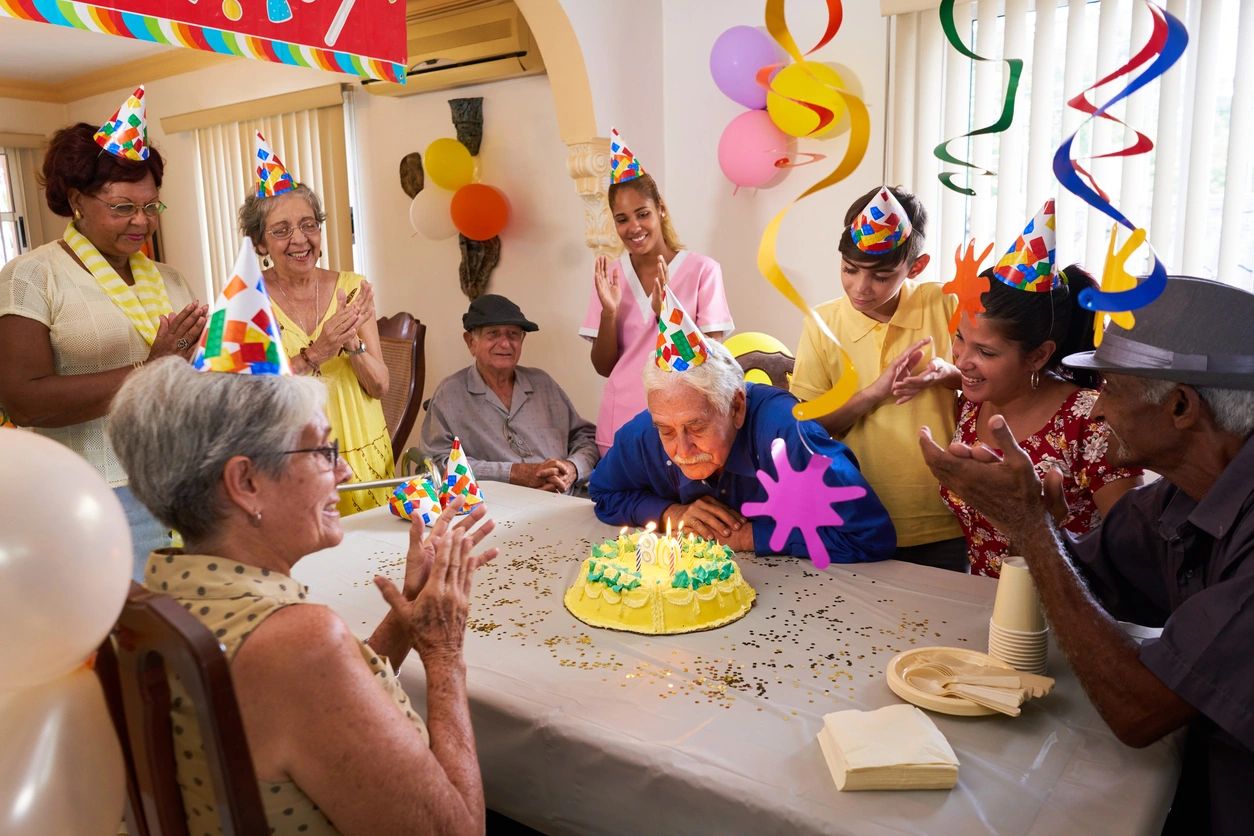
Not every experience needs to be expensive. Some of the most meaningful experiences come from:
Family traditions
Annual trips
Shared meals
Local events
Nature
Community involvement
Learning something new
Time with people you care about
Celebrating milestones
Giving back
Intentionality matters more than price. A high-cost experience can feel empty if it is done for status or pressure. A modest experience can be deeply meaningful if it reflects your values. This is where financial planning becomes personal. The goal is not simply to accumulate more. The goal is to align money with the life you want to build.
10. A Practical Framework for Spending on Experiences
Before spending on a major experience, consider this simple framework.
1. Purpose
Why do we want this experience?
2. Cost
What is the full cost, including travel, food, taxes, fees, time off, and extras?
3. Tradeoff
What are we saying no to by saying yes to this?
4. Timing
Is now the right time financially and personally?
5. Funding
Are we paying from savings, cash flow, or debt?
6. Alignment
Does this support our values, relationships, health, or long-term goals?
7. Aftermath
Will we feel good about this decision after the experience is over?
This type of framework helps remove guilt from good spending and friction from poor spending.
11. When Spending on Experiences Makes Sense
Spending on experiences can make sense when:
You can afford it without high-interest debt
Your emergency fund is intact
Your important savings goals are on track
The experience aligns with your values
It strengthens relationships
It supports health, learning, or personal growth
It creates memories that matter to you
It does not put your future self at risk
The goal is not to delay every enjoyable thing until retirement. The goal is to enjoy life in a way your future self will still respect.
12. When to Pause Before Spending
It may be worth pausing if:
You need debt to afford the experience
You are spending because others expect it
You are trying to escape financial stress
You have no plan for upcoming taxes or major bills
You are behind on essential savings
You are using experiences to avoid bigger planning decisions
The cost creates anxiety instead of excitement
Experiences should not become another form of financial pressure. A good financial plan creates permission to spend when the spending is aligned and affordable.
Final Thought
The experience economy is not about choosing memories over money. It is about using money to support a more meaningful life. Things can be useful. Experiences can be powerful. But neither should happen by accident. The best financial plan makes room for today, tomorrow, and the people who matter most.
Schwartzman Financial helps families and business owners connect tax planning, insurance, wealth management, and lifestyle goals into one clearer strategy. Because wealth is not only about what you accumulate. It is also about what you get to experience along the way.
FAQ
What is the experience economy?
The experience economy refers to the growing preference for spending on experiences such as travel, events, dining, learning, wellness, and family memories instead of only spending on physical goods.
Is spending on experiences better than buying things?
Not always. Experiences can create lasting memories and emotional value, but physical purchases can also improve life when they support comfort, health, independence, or meaningful activities. The best choice depends on your values and financial plan.
How do I budget for experiences?
Create a dedicated lifestyle or experience spending category. This can include travel, dining, events, hobbies, and family celebrations. The key is to fund experiences without damaging emergency savings, retirement contributions, insurance needs, or debt repayment goals.
Can spending on experiences be part of financial planning?
Yes. A good financial plan should include both future security and present enjoyment. Experiences can be part of the plan when they are intentional, affordable, and aligned with long-term goals.
What is experience inflation?
Experience inflation happens when your spending on travel, events, dining, or entertainment rises as your income rises, creating a new expensive standard that may be hard to maintain.
Should retirees spend more on experiences?
Many retirees prioritize experiences, especially in the early years of retirement when health and mobility may be stronger. The right amount depends on retirement income, savings, health needs, tax planning, and long-term sustainability.
How can families use wealth to create memories?
Families may use wealth for shared trips, education, celebrations, family traditions, cottage time, or meaningful gifts during life. This should be balanced with long-term security and estate planning.